


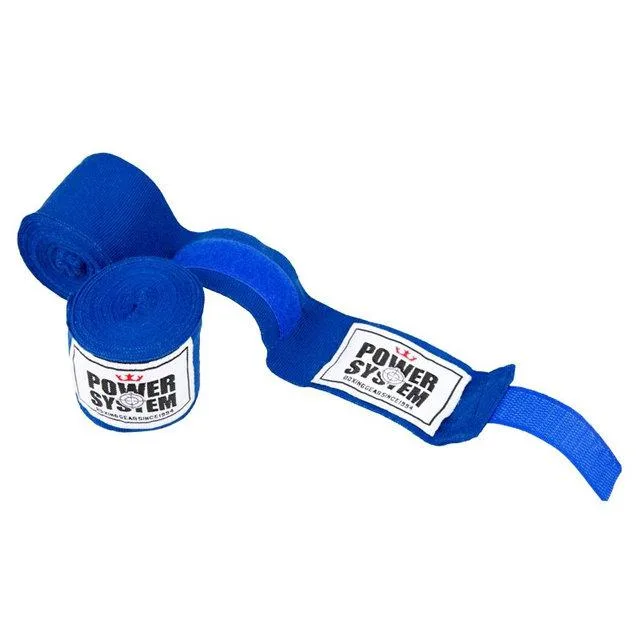
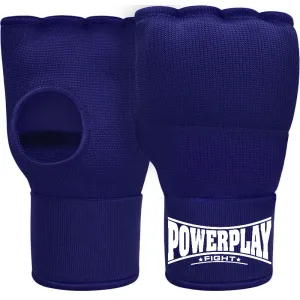
Boxing Hand Wraps Power System Blue 4 m
All variants
| Color | Price |
|---|---|
| Blue | 250 UAH |


Description
Application:boxing, strength exercises.
Description:
Power System elastic bandages are designed to protect wrists and ankles during boxing. Made of cotton with the addition of elastic bands, for slight stretching and tighter winding. There is a special loop for the thumb for the initial fixation, at the end the fixation occurs with the help of velcro on the wrist. The bandage is useful during training, absorbing the sweat of the palms, preventing the interior of the gloves from getting dirty, extending their service life.
Technical characteristics:
- Dimensions: length (m): 4 width (cm): 5
- Material: cotton.
Boxing bandages are necessary for martial arts athletes who protect the hands, finger joints and wrists from damage during training and competitions. They are strips of fabric with a loop and Velcro on both sides. For the uninitiated - simple strips of elastic or inelastic material with a length of 250 cm to 500 cm, a width of 4-5 cm. The sizes of the bandages depend on the age of the athletes, the size of the hands and gloves, and the methods of wrapping. They are made of natural and synthetic fabrics. And although this is a fairly old invention - around the VI century. to R.H., today without bandages in the fight nowhere. Boxer bandages prevent injuries to the synovial joints, fist, and phalanges of fingers, possible cracks and sprains. The simplicity of bandages plays a big role in martial arts - the joint is fixed to the hand, preventing the hand from dislocating even with an incorrect blow. And how to wrap bandages for boxing - we will consider further.
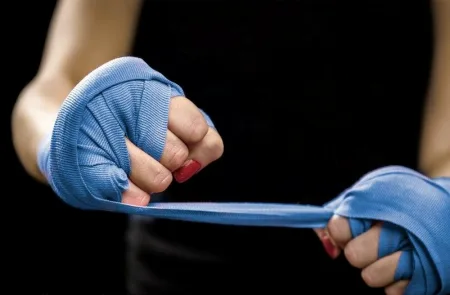
How to properly wind boxing bandages The truth speaks - everything will come with the experience gained. There is no single answer to the question "how to properly bandage your hands in boxing." When professional athletes, without thinking, bandage their hands, it speaks of the gained experience. Regulation, tension - the whole process happens subconsciously. For novice wrestlers, the first steps are difficult - someone tightly winds the bandages and this causes swelling of the hands, which makes them numb. Or vice versa, they are loosely wound and during sparring or practicing blows on the equipment, the bandages shift, cause inconvenience, and also increase the degree of injury. These manipulations require personal training, adjustment of the winding technology "for yourself". It should be understood that in the first six months to a year after the start of training, novice athletes do not yet have a punch, and the stiffness of the fist is not noticeable. However, let's consider the main and most successful among the developed methods. Cross-shaped method. This winding of boxing bandages has found popularity among boxers and kickboxers. With such a winding, the fists are tightly fixed, which increases the attacker's hand capabilities and reduces joint injuries. The process is simple and clear: first, a loop is put on the thumb and the hand is wrapped with a bandage in the opposite direction from the finger. The winding starts around the wrist - three times - to tightly fix the hand, because during the fight, this part of the hand receives more load. Some start wrapping their hands in the opposite way - from top to bottom, to avoid the loops flying off the thumbs at the wrong time during sparring. Next, a bandage is wound around the hand between the thumb and forefinger. After that, a cross is made and the bandage is directed under the thumb. Then there is a wrapping of the thumb and again a cross around the hand. Then the bandage is placed between the little finger and the ring finger and again under the thumb and around the hand. The procedure continues with the other fingers as well, and as a result, all the first phalanges of the fingers are wrapped.
Direct method. How to wind boxing bandages in this way - here winding also starts from the joint on the wrist. Next, we wrap the bandage around the hand and fingers and return it to the wrist, where we fix it. If the winding "formula" is completed, and the bandage still remains, then it is better to wrap it around the wrist and again around the ankles, thereby strengthening the joints. As you can see, not everything is so scary when you get to the bottom of it. We strongly recommend winding the bandages, based on your priorities, and do it only yourself - this way the hand and joints feel better. In addition, you need to take care of the bandages - after use, dry them regularly and store them rolled up, then they will be wound more reliably and comfortably on your hands.
Similar products
View all →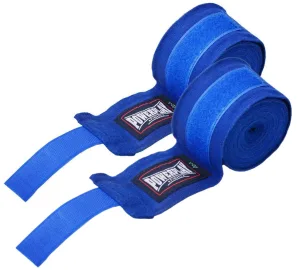

Useful Articles
All articles →

Customer Reviews
No reviews yet. Be the first!
Enter your phone number to receive an SMS code